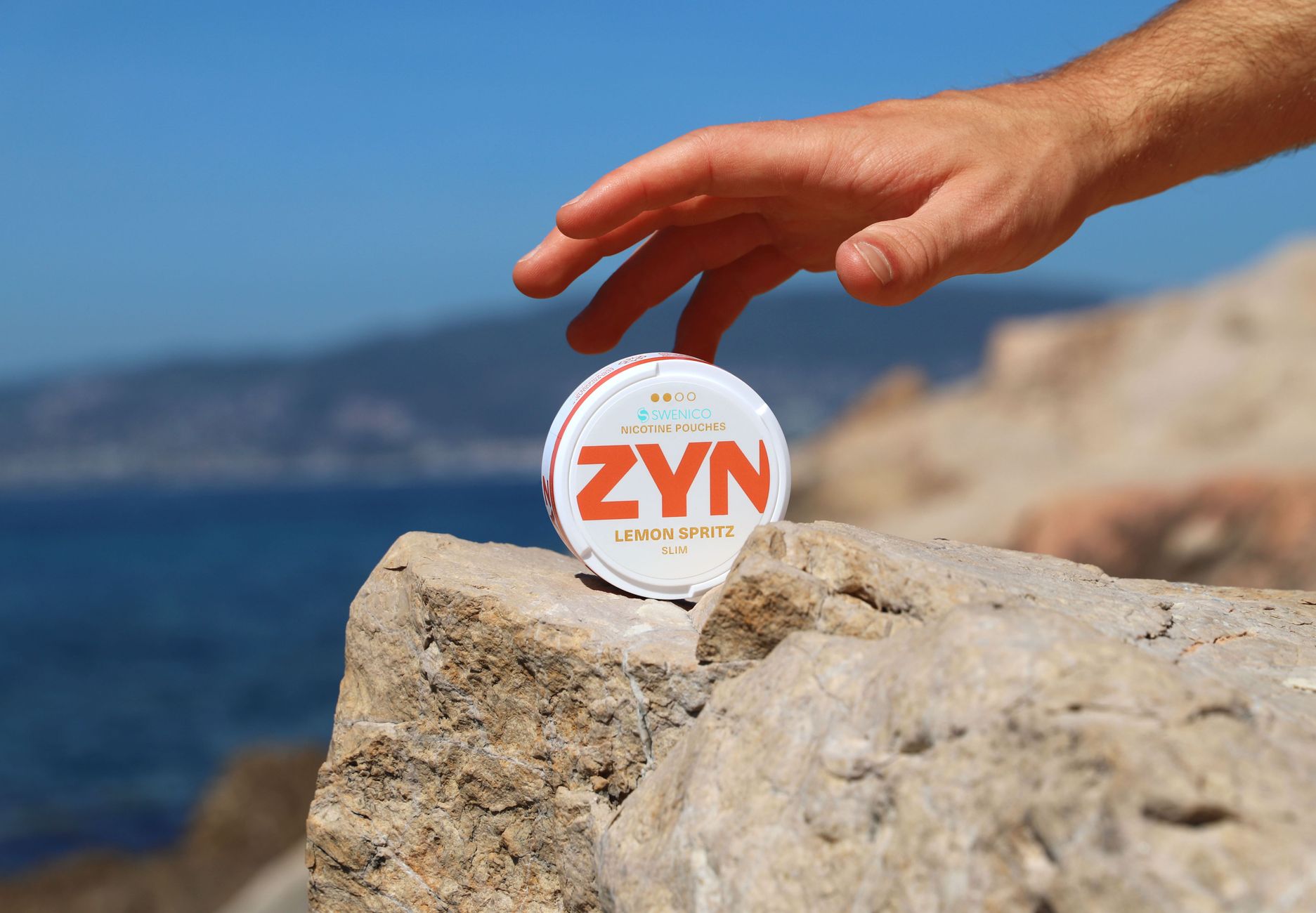
Nicotine Pouches vs Smoking: What Experienced Users Should Know
If you're a current smoker who's heard about nicotine pouches, you probably have questions. Are they really different from smoking? Do they deliver enough nicotine? And is the experience truly satisfying for someone used to cigarettes? This guide is written for experienced smokers—those going through a pack or more per day—who are curious about making a switch to tobacco-free nicotine pouches.
We'll compare the two based on what matters most: nicotine delivery, experience, health considerations, cost, and social factors. Whether you're considering your first purchase or already trying pouches, this practical breakdown will help you decide.
Nicotine Delivery: Speed and Strength
Cigarettes deliver nicotine rapidly—within seconds of inhalation—giving an almost instant hit. That rush is one reason smoking can be so addictive. Nicotine pouches, by contrast, release nicotine more gradually over 30–60 minutes. The onset is slower, but the overall dose can be higher per pouch, especially with stronger options.
For heavy smokers (pack+/day), a 6–12 mg pouch might feel mild. That's where higher-strength pouches come in. Products like Pablo and Killa offer strengths ranging from 13 mg to a full 50 mg per pouch, catering to experienced nicotine users.
Strength Comparison Table
| Nicotine Source | Typical Nicotine Content | Onset Time | Duration |
|---|---|---|---|
| Cigarette | 1–2 mg absorbed per cig | Seconds | 10–15 min |
| Low-strength pouch | 4–12 mg/pouch | 5–10 min | 30–60 min |
| Medium-strength pouch | 13–24 mg/pouch | 5–10 min | 45–60 min |
| High-strength pouch | 30–50 mg/pouch | 5–10 min | 60+ min |
Key takeaway: If you're a heavy smoker, don't start with a 4 mg pouch. You'll likely be underdosed. Look for pouches in the 13–24 mg range first, then adjust up or down based on how you feel.
The Experience: Ritual and Sensation
Smoking involves hand-to-mouth movement, inhaling, exhaling smoke, and often a social ritual. Nicotine pouches eliminate all combustion—no smoke, no ash, no lighter. The pouch is simply placed between the gum and upper lip. There's no inhalation.
For many, this difference is freeing. You can use a pouch indoors, at your desk, or even on a plane (where legal). But it also means losing the physical sensation of inhaling something into your lungs. Some users miss that, while others appreciate the discretion and lack of lingering smell.
Practical advice: Try a pouch for 20–30 minutes in a setting where you'd normally smoke. Notice how the slower release changes your focus. Many users say it feels more like a sustained energy boost than a spike-and-crash cycle.
Health Considerations for Smokers
Cigarettes contain thousands of chemicals formed by burning tobacco, many of which are carcinogenic or toxic. Nicotine pouches are tobacco-free and do not involve combustion. According to NGP's official mission, the company aims to "reduce the harm from tobacco by distributing tobacco-free products as an alternative to smoking." They are not a cessation device or a risk-free product, but they do eliminate tar, carbon monoxide, and many other harmful byproducts of smoking.
It's important to note that nicotine itself is addictive and not risk-free. However, for a current smoker who isn't ready to quit nicotine entirely, switching to pouches can reduce exposure to combustion-related toxins. Public Health England and several studies have acknowledged that nicotine replacement products are significantly less harmful than smoking, though they stop short of calling pouches "safe."
What we can say (following NGP's guidance): Nicotine pouches offer a smoke-free, tobacco-free alternative for adult consumers looking to move away from cigarettes. They are not a treatment for nicotine addiction.
Cost Comparison
Smoking is expensive. Depending on where you live, a pack-a-day habit can cost thousands of dollars per year. Nicotine pouches, when bought in bulk, can be significantly cheaper.
Estimated Monthly Cost
| Habit | Daily Use | Monthly Cost (approx.) |
|---|---|---|
| Pack-a-day smoker | 20 cigs | $200–$400 |
| Moderate pouch user | 6–8 pouches/day | $60–$120 |
| Heavy pouch user | 10–12 pouches/day | $100–$180 |
Costs vary widely by country, brand, and where you buy. Wholesale purchases (e.g., from NGP Europe for retailers) reduce per-can price significantly.
Cost-saving tip: Buy multi-can packs online from trusted retailers. For B2B buyers, NGP Europe offers wholesale pricing and a full range of strengths and flavours.
Social and Practical Factors
Smoking is increasingly restricted: you're often forced to stand outside in the cold, away from doorways. Social stigma has grown. Nicotine pouches are discrete—no smoke, no smell on your clothes or breath. You can use them almost anywhere without disturbing others.
This convenience is a major driver for switchers. Imagine a workday where you don't need to step out every hour for a cigarette break. Or a night out where you don't have to excuse yourself constantly.
Downside: The oral sensation is different. You may need to experiment with placement (upper lip vs. lower lip, left vs. right) and moisture level (dry pouches vs. moist pouches) to find what feels natural.
How to Switch: A Practical Plan
If you're ready to try nicotine pouches as an alternative to smoking, follow this step-by-step approach:
- Choose Your Strength: If you smoke a pack a day of full-flavour cigarettes, start with a strong pouch (around 13–24 mg). For more than a pack, go higher (24–50 mg).
- Pick a Flavour: Mint and menthol are the most popular transition flavours because they mimic the coolness of menthol cigarettes. Fruit flavours can also work.
- Replace Gradually: Don't try to quit smoking immediately. Use a pouch when you would normally have a cigarette, especially in situations where smoking is inconvenient. Aim to reduce smoking by half in the first week.
- Give It Time: The first few pouches may feel intense or tingly. That's normal. Your mouth will adjust after a few uses. Don't judge the experience by the first try alone.
- Hydrate: Nicotine pouches can cause dry mouth. Drink water while using them.
Example scenario: Jake smoked a pack and a half of Marlboro Reds daily. He started with Pablo Ice Cold (24 mg). On day one, he replaced his mid-morning and afternoon cigarettes with a pouch, still smoking the rest. By the end of week two, he had cut down to five cigarettes per day. After three months, he was using only pouches.
Key Takeaways
- Nicotine pouches deliver nicotine more slowly than cigarettes but can match or exceed the total dose, especially with high-strength products like Pablo and Killa.
- The experience lacks smoke, smell, and inhalation, which is a major benefit for discretion and indoor use but a different ritual.
- Health-wise, pouches eliminate combustion byproducts, making them a less harmful alternative for smokers who don't want to quit nicotine entirely.
- Cost is typically lower than smoking, especially with bulk purchases.
- Switching works best when you gradually replace cigarettes with pouches of appropriate strength.
Ready to explore your options? Check out our buying guide for experienced users to find the right product for your needs.
Disclaimer: This product contains nicotine. Nicotine is addictive. Not for use by minors/under 18 (or the legal age in your country).