Nicotine Pouch Strengths Explained: From 4mg to 50mg – The Complete Guide
Nicotine pouches have exploded in popularity across Europe as a modern, tobacco-free alternative to smoking and traditional snus. One of the most confusing aspects for new and experienced users alike is understanding strength. With options ranging from 4 mg to 50 mg per pouch, choosing the right level can make the difference between a satisfying experience and an overwhelming one.
This guide breaks down everything you need to know about nicotine pouch strengths. Whether you're a retailer looking to stock the right range or a consumer trying to find your sweet spot, we'll cover how strength is measured, what each level feels like, how to compare brands, and key safety considerations.
How Nicotine Pouch Strength Is Measured
Unlike cigarettes or vape juice, nicotine pouches deliver nicotine in milligrams per pouch (mg/pouch). This is a dry weight measurement of the nicotine content inside each individual pouch. For example, a pouch labeled 10 mg contains 10 milligrams of nicotine.
Comparison to Cigarettes
A typical cigarette contains about 8–12 mg of nicotine, but the body absorbs only 1–2 mg when smoked. Nicotine pouches deliver a higher percentage of their nicotine content — often 50–80% — because the nicotine is absorbed through the oral mucosa. This means a 10 mg pouch may deliver roughly the same amount of nicotine as a full cigarette.
Common Strength Ranges
| Strength Level | mg per Pouch | Typical User |
|---|---|---|
| Low | 4–8 mg | Beginners, light smokers |
| Medium | 10–16 mg | Moderate smokers, casual pouch users |
| High | 20–30 mg | Heavy smokers, experienced pouch users |
| Extra High | 40–50 mg | High-tolerance users only |
It's important to note that these are general guidelines. Individual tolerance depends on body weight, metabolism, and previous nicotine use.
Low-Strength Pouches (4–8 mg)
Low-strength pouches are ideal for people who are new to nicotine pouches or those who use them infrequently. They're also popular among former light smokers (less than 10 cigarettes per day) and individuals who want a gentle energy boost without a strong buzz.
Who Should Choose Low Strength?
- Beginners trying nicotine pouches for the first time
- Light smokers (under 10 cigarettes/day) transitioning to pouches
- Users who want a mild, occasional experience
- People sensitive to nicotine
Popular Options
Killa Flash at 4 mg is one of the lowest-strength options available in Europe. It comes in a mini format that's discreet and easy to use. Despite its low nicotine content, it still delivers the familiar pouch experience with great flavor.
How It Feels
A low-strength pouch produces a subtle warming sensation in the gum, a mild buzz for about 15–20 minutes, and then a gentle fade. Most users can use these throughout the day without experiencing dizziness or nausea.
Medium-Strength Pouches (10–16 mg)
Medium-strength pouches are the most common range among experienced nicotine pouch users. They provide a noticeable but comfortable effect that satisfies without overwhelming.
Who Should Choose Medium Strength?
- Regular smokers (10–20 cigarettes/day)
- Current ZYN or VELO users looking to maintain their typical strength
- Users who want consistent all-day use
How It Compares to ZYN and VELO
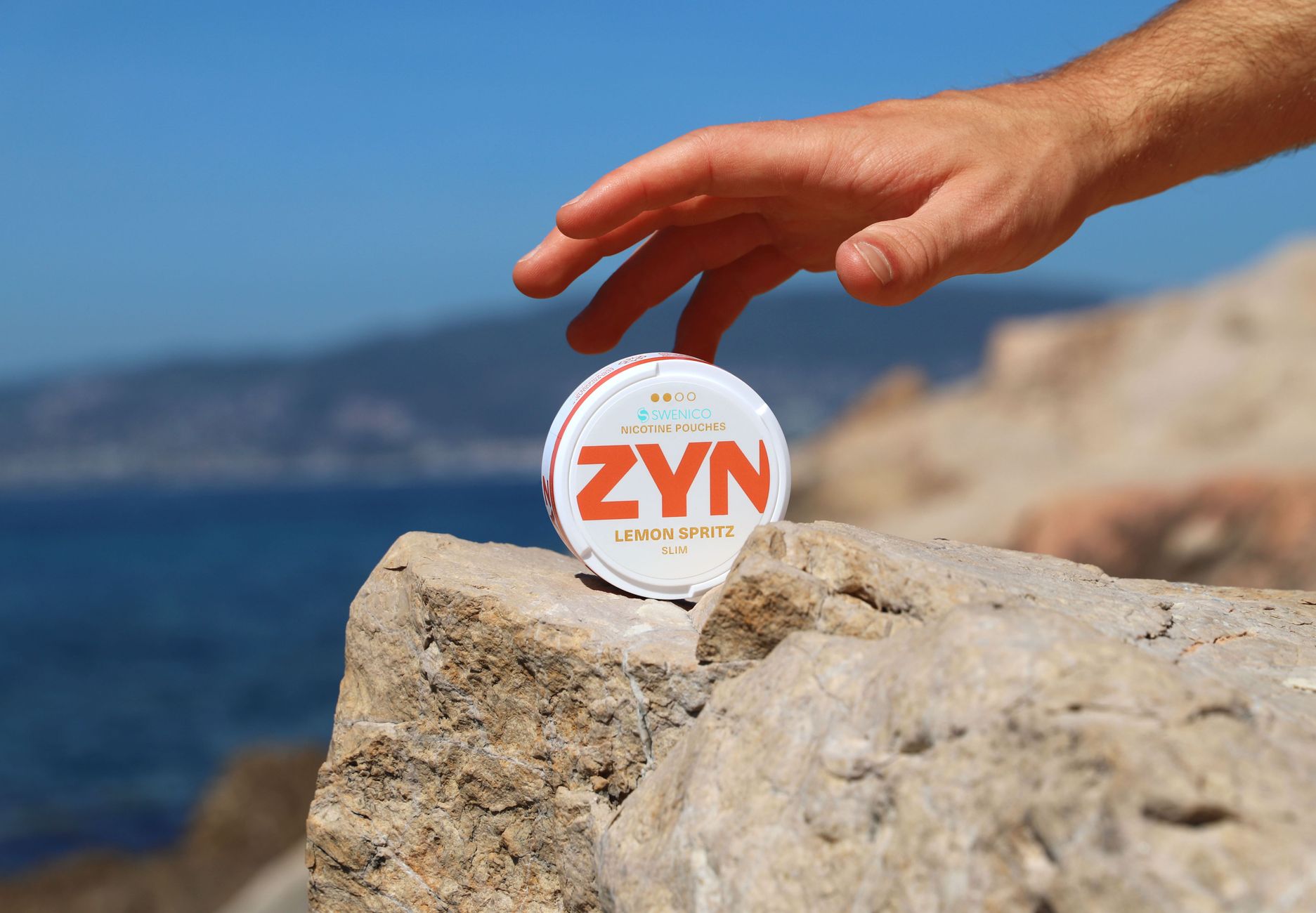
ZYN's strongest offerings in Europe max out at 12 mg per pouch (e.g., ZYN Cool Mint Strong). VELO offers up to 11 mg in some markets. Medium-strength pouches like Killa 10 mg or White Fox 12 mg directly compete with these mainstream brands, making them an easy switch for users.
How It Feels
A medium pouch delivers a warm tingle that builds over 2–3 minutes and peaks at around 10 minutes. The buzz is more pronounced than low strength, but still manageable. Effects last 30–45 minutes. Most users find this range ideal for social situations or work.
High-Strength Pouches (20–30 mg)
This is where nicotine pouches start to separate from traditional cigarettes and snus. High-strength pouches are designed for heavy smokers and experienced pouch users who need a stronger kick.
Who Should Choose High Strength?
- Heavy smokers (20+ cigarettes/day)
- Ex-smokers with high nicotine tolerance
- Users who previously used strong snus (e.g., Siberia, Odens)
- Those seeking a more intense, longer-lasting effect
Market Leaders
Pablo offers multiple options in this range, including Pablo Ice Cold at 20 mg and Pablo Pineapple at 30 mg. These are some of the most popular high-strength pouches in Europe, known for their consistent quality and bold flavors.
How It Feels
Expect a strong burn in the gum within seconds. The buzz comes fast — often within 1–2 minutes — and can be intense for new users. Effects last 45–60 minutes. Some users report slight dizziness if they haven't eaten. It's recommended to start with a shorter use time (5–10 minutes) and remove the pouch early if it feels too strong.
Extra-High-Strength Pouches (40–50 mg)
Extra-high-strength pouches are for the most experienced users only. These deliver a massive amount of nicotine rapidly and should be treated with respect.
Who Should Choose Extra High Strength?
- Users with very high nicotine tolerance from years of heavy smoking or snus use
- Those who have tried 30 mg and found it insufficient
- Only for occasional, not daily, use by most
Pablo Exclusive — The 50 mg Powerhouse
Pablo Exclusive at 50 mg per pouch is among the strongest nicotine pouches available anywhere in Europe. It's designed for extreme users who need maximum strength. Competitors like ZYN max out at 12 mg, making Pablo Exclusive a category of its own.
How It Feels
Extremely intense. The burning sensation is immediate and strong. The nicotine rush hits in under a minute and can cause lightheadedness, sweating, or nausea in anyone without a very high tolerance. Use time should be limited to 5–10 minutes. Not recommended for beginners or casual users.
How to Choose the Right Strength: A Step-by-Step Guide
Finding your ideal nicotine strength isn't always straightforward. Here's a practical approach:
Step 1: Assess Your Current Nicotine Intake
- If you don't smoke or use nicotine, start at 4 mg (low)
- If you smoke 1–10 cigarettes/day, start at 8–10 mg (low-medium)
- If you smoke 10–20 cigarettes/day, start at 10–16 mg (medium)
- If you smoke 20+ cigarettes/day, start at 20–30 mg (high)
- If you use strong snus or high-strength pouches already, you may need 30–50 mg
Step 2: Start Low, Go Slow
Always begin at the lower end of your estimated range. You can always move up if the effect is too mild, but you cannot undo an overdose. Place the pouch in your upper lip and keep it there for 5–10 minutes initially.
Step 3: Monitor the Effects
- Too weak: You don't feel much after 10 minutes. Try a higher strength next time.
- Just right: A pleasant tingle, mild buzz, no discomfort. This is your sweet spot.
- Too strong: Dizziness, nausea, hiccups, or racing heart. Remove the pouch immediately and use a lower strength next time.
Step 4: Adjust for Frequency
If you plan to use pouches throughout the day, a lower strength may be better to avoid nicotine overload. For occasional use (e.g., social situations), higher strengths can be used sparingly.
Flavor and Format Impact on Perceived Strength
In addition to nicotine content, flavor and format influence how strong a pouch feels.
Flavor
Mint and menthol flavors often feel stronger because the cooling sensation amplifies the tingling from nicotine. Fruit and sweet flavors can mask the burn slightly, making the same nicotine level feel milder.
Format (Size and Moisture)
- Standard size (~0.8–1.0 g): Most common; delivers a steady release.
- Mini size (~0.5 g): Lower total nicotine capacity, less saliva production; feels less intense.
- Dry pouches: Slower nicotine release; lower initial impact but longer duration.
- Moist pouches: Faster absorption; stronger initial hit.
Example: Killa vs Pablo
Killa pouches tend to be slightly smaller and drier, which can make the nicotine release more gradual. Pablo pouches are often more moist, leading to faster absorption and a harder kick at the same mg level. This is why some users find Pablo Ice Cold 20 mg feels stronger than Killa 20 mg.
Comparing Strengths Across Brands: A Practical Table
| Brand | Product | Strength (mg) | Format | Feel |
|---|---|---|---|---|
| Killa | Flash | 4 | Mini, dry | Very mild |
| Killa | Original | 8 | Standard, dry | Mild |
| ZYN | Mini | 6 | Mini, dry | Mild |
| White Fox | Original | 12 | Standard, moist | Medium |
| Killa | Cold Mint | 10 | Standard, dry | Medium |
| VELO | Freeze Strong | 11 | Standard, moist | Medium |
| Pablo | Ice Cold | 20 | Standard, moist | Strong |
| Pablo | Pineapple | 30 | Standard, moist | Very strong |
| Pablo | Exclusive | 50 | Standard, moist | Extreme |
Note: 'Feel' is subjective and depends on individual tolerance.
Common Misconceptions About Nicotine Strength
Misconception 1: Higher mg means more buzz
Not exactly. Your body reaches a saturation point. Beyond that, higher strength doesn't increase euphoria — it just increases side effects like dizziness and nausea. The goal is finding your optimal level, not the highest number.
Misconception 2: All 20 mg pouches are the same
Brands use different formulations, pouch sizes, and moisture levels. A 20 mg pouch from Pablo will hit differently than a 20 mg pouch from a smaller brand due to these factors. Always start new brands cautiously.
Misconception 3: Strengths listed are the amount you absorb
Manufacturers list the total nicotine content, but bioavailability (how much enters your bloodstream) varies. Factors include pouch placement, duration, and individual physiology.
Safety and Responsible Use
Nicotine is a stimulant and should be used responsibly, especially at high strengths.
Recommended Maximum Daily Use
- Low strength (4–8 mg): Up to 20 pouches/day
- Medium (10–16 mg): Up to 12 pouches/day
- High (20–30 mg): Up to 6–8 pouches/day
- Extra high (40–50 mg): No more than 4–6 pouches/day
These are rough guidelines. Listen to your body and reduce if you experience:
- Headaches
- Nausea or vomiting
- Dizziness
- Heart palpitations
- Insomnia
Who Should Avoid High Strengths?
- Pregnant or breastfeeding women
- People with heart conditions or high blood pressure
- Minors (under 18 in most European countries)
- Those who have never used nicotine before
Storage
Keep pouches in a cool, dry place. Extreme heat can dry them out, while moisture can degrade quality. Always check the expiration date.
Retailer Considerations: Stocking the Right Range
For B2B buyers, carrying a balanced strength range is essential to capturing all customer segments.
Must-Have Strengths
- 4–8 mg: For beginners and light users
- 10–16 mg: The core range for most regular users (ZYN/VELO switchers)
- 20–30 mg: For heavy users and former strong snus consumers
- 40–50 mg: Niche but high-demand segment; Pablo Exclusive is a key product
Why Carry Extra High?
While not for everyone, extra-high-strength pouches like Pablo Exclusive 50 mg create brand loyalty among the most dedicated users. These customers often buy in bulk and spend more per order. Plus, having the strongest pouch on the market positions your store as a destination for serious users.
For a complete selection, check out our full product portfolio.
The Science Behind Absorption
Nicotine pouches work through buccal absorption — nicotine passes directly through the lining of your mouth into the bloodstream, bypassing the digestive system and avoiding first-pass metabolism in the liver. This results in faster onset than many other nicotine products.
Factors Affecting Absorption
- pH level: Pouches often contain buffering agents (like sodium carbonate) to raise pH, which increases the amount of free nicotine available for absorption.
- Placement: Upper lip vs. lower lip — upper lip generally absorbs faster.
- Saliva production: More saliva can dilute and slow absorption.
- Pouch moisture: Moist pouches release nicotine faster than dry ones.
Why Some Pouches Hit Harder
Nicotine exists in two forms: bound (salt) and free base. At lower pH, nicotine is bound and absorbs slowly. At higher pH, it becomes free base and absorbs rapidly. Manufacturers control this balance to create different experiences. Pablo's moist, high-pH formula is designed for fast, intense delivery.
Using Strength in Your Transition from Smoking
Many users switch from cigarettes to pouches to reduce harmful effects of smoking. NGP positions its products as an alternative to smoking, with the official message: "Reducing harmful effects on health."
Suggested Transition Plan
- Weeks 1–2: Match cigarette strength. If you smoked 20 cigarettes/day, try 16 mg pouches. Use up to 10 per day.
- Weeks 3–4: Start reducing strength gradually, e.g., drop to 12 mg. This helps wean down nicotine dependence.
- Maintenance: Find a comfortable level you can sustain long-term, whether that's 8 mg for lighter use or 16 mg for strong satisfaction.
Always consult with a healthcare professional before making changes to your nicotine consumption.
The Future of Nicotine Strengths
As the industry evolves, we're seeing trends toward:
- More options at lower strengths (2–4 mg) to appeal to very light users and those wanting to reduce intake.
- Nicotine-free variants like Activ energy pouches that offer the experience without any nicotine.
- Customizable strengths in multi-pouches or adjustable release pouches.
For now, the 4–50 mg range covers virtually every user type, from someone who's never tried nicotine to the most hardened snus veteran.
Summary
Choosing the right nicotine pouch strength is personal and depends on your smoking history, tolerance, and goals. This guide has covered:
- How strength is measured (mg/pouch) and what it means
- The four main strength tiers: low (4–8 mg), medium (10–16 mg), high (20–30 mg), extra high (40–50 mg)
- Who each tier is best for
- How to determine your ideal starting point and adjust
- The role of flavor, format, and brand in perceived strength
- Safety guidelines for all levels
- Retailer advice for stocking a comprehensive range
Remember: the right strength is the one that gives you a satisfying experience without negative side effects. Start low, go slow, and always choose a reputable brand. Whether you're a consumer looking for your next can or a retailer trying to serve every segment, understanding nicotine strengths is the foundation of the nicotine pouch experience.
Explore more about Killa's flavor range and Pablo's strength offerings to find your perfect match.